
Simple Ways to Extend the Life of Your Septic System
Why Everyday Habits Matter More Than Most Homeowners Realize
A septic system is one of the most important parts of a home, yet it is often ignored until something goes wrong. Unlike a public sewer connection, a private system depends on the homeowner’s daily habits, routine care, and awareness of early warning signs. When it is treated properly, it can serve a home reliably for decades. When it is overloaded or neglected, problems can become messy, expensive, and disruptive.
Many homeowners only think about the tank itself, but the system is larger than that. It includes the drains inside the home, the main waste line, the tank, the distribution area, and the soil that filters wastewater. Each part has to work together. A problem in one area can affect the entire system.
The good news is that extending the life of a septic system does not require complicated work every week. Most of the best habits are simple. Using water wisely, keeping the wrong items out of drains, protecting the yard, scheduling regular inspections, and responding quickly to small changes can make a major difference. A little attention now can help prevent backups, odors, soggy ground, and premature system failure later.
Properly Manage Household Water Usage
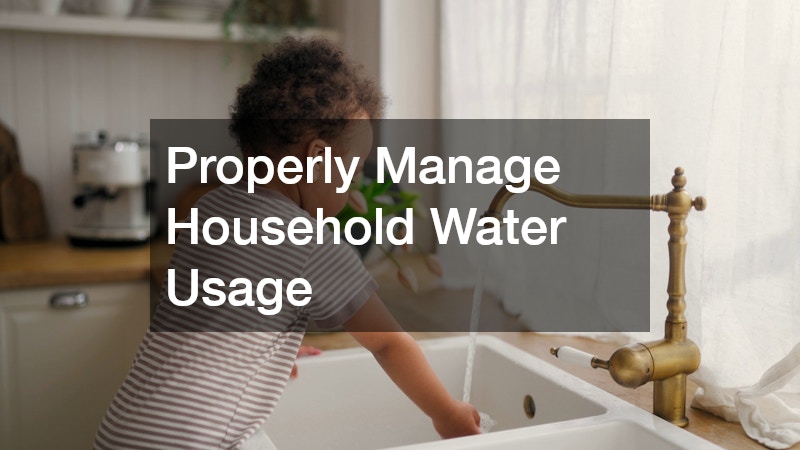
Water use has a direct effect on septic performance. Every gallon that goes down a sink, shower, toilet, dishwasher, or washing machine enters the system. When too much water flows in at once, the tank may not have enough time to separate solids, grease, and liquid properly. This can push waste into areas where it does not belong and place stress on the drain field.
One of the simplest ways to support septic maintenance is to spread out water-heavy tasks. Instead of doing five loads of laundry in one day, it is better to wash one or two loads across several days. The same idea applies to long showers, dishwasher cycles, and back-to-back baths. A steady flow of water is easier for the system to handle than sudden surges.
Leaks should also be repaired quickly. A running toilet may seem minor, but it can send hundreds of extra gallons into the system over time. Dripping faucets, leaking supply lines, and faulty toilet flappers can all increase the load without the homeowner realizing it. Checking fixtures regularly can help prevent unnecessary strain.
Water-efficient fixtures are another helpful upgrade. Low-flow toilets, showerheads, and faucet aerators reduce daily water use without making the home less comfortable. Newer washing machines and dishwashers often use less water than older models, which can be especially helpful for larger households.
Routine inspections matter as well. A professional septic service can check the tank, baffles, filters, lids, and other accessible parts of the system. These visits can catch small concerns before they become serious. For many homes, inspections every few years are enough, but homes with heavy water use, garbage disposals, or older systems may need closer attention.
Follow Smart Habits for Everyday Drain Use
What goes down the drain can either protect or damage the system. Septic systems are designed to handle wastewater and human waste. They are not designed for grease, wipes, paper towels, feminine hygiene products, coffee grounds, dental floss, harsh chemicals, paint, or large amounts of food waste. Even items labeled as flushable can cause problems because they may not break down fast enough inside the tank.
Kitchen drains deserve special care. Grease and cooking oil should never be poured into the sink. Once grease cools, it can cling to pipes and contribute to clogs. Over time, it may also interfere with the tank’s natural separation process. Food scraps should be placed in the trash or compost when appropriate rather than rinsed into the drain.
Bathroom habits are just as important. Toilets should only be used for waste and toilet paper. Hair should be kept out of shower drains as much as possible by using drain screens. Medicines, cleaning chemicals, and personal care products should be disposed of according to local guidance, not flushed into the system.
Slow drains are often an early warning sign. One slow sink may point to a local clog, while multiple slow drains can suggest a larger issue. Gurgling sounds, unpleasant odors, or water backing up into tubs or floor drains should be taken seriously. A drain cleaning service may be needed when routine plunging or basic maintenance does not solve the problem.
In some cases, stubborn buildup may require hydro jetting services. This method uses high-pressure water to clear grease, sludge, roots, and debris from lines. It is not always necessary for every blockage, and it should be performed by trained professionals who understand the condition of the pipes. When used properly, it can help restore flow without relying on harsh chemical cleaners that may harm the system.
Keep the Tank Operating Efficiently
The tank is where much of the separation process happens. Solids settle at the bottom, grease and lighter materials rise to the top, and liquid moves out toward the drain field. Over time, the solid layers build up. If they are not removed, they can reduce the tank’s working capacity and allow solids to move into the drain field.
This is why septic pumping is one of the most important parts of long-term system care. The right schedule depends on several factors, including tank size, household size, water use, and whether the home uses a garbage disposal. A small household with a large tank may not need pumping as often as a large family with a smaller tank. Still, waiting until there is a backup is never a good strategy.
Homeowners should keep track of service dates. A simple folder, spreadsheet, or note in a home maintenance file can help. Records should include the date of service, the provider, the tank location, the amount removed, and any recommendations made during the visit. These records are useful for future maintenance and may also help during a home sale.
Septic tank cleanings are also a chance to identify issues inside the tank. A professional may notice damaged baffles, cracked lids, root intrusion, filter problems, or signs that the system is receiving too much water. Fixing these problems early can help extend the life of the whole system.
Homeowners should also learn the warning signs that service may be overdue. These can include slow drains throughout the home, sewage odors outside, wet or unusually green grass near the drain field, gurgling plumbing, or wastewater backing up into fixtures. Any of these signs should be addressed quickly.
The tank should remain accessible. Lids should not be buried under patios, sheds, heavy landscaping, or permanent structures. If access is difficult, service may be delayed or more expensive. Risers can make future maintenance easier by bringing access points closer to ground level.
Protect the Drain Field From Damage
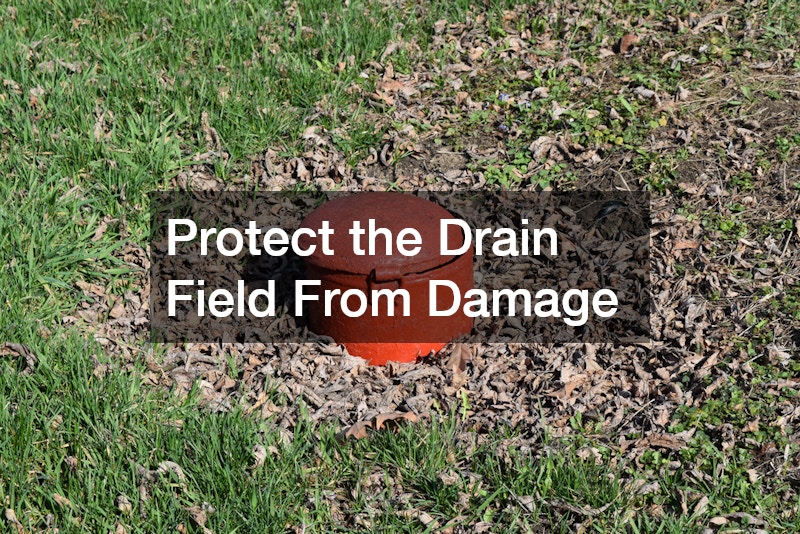
The drain field is one of the most sensitive parts of the system. After wastewater leaves the tank, it flows into this area for further treatment through soil. If the soil becomes compacted, oversaturated, or clogged, the system may not drain properly. Once a drain field fails, repairs can be significant.
Good storm water management helps protect this area. Rainwater from roofs, driveways, patios, and slopes should be directed away from the drain field. When storm runoff flows into this part of the yard, it can saturate the soil and prevent wastewater from absorbing properly. Downspout extensions, grading, swales, and surface drains can all help move water away from sensitive areas.
Homeowners should know where the drain field is located and keep it clear. Cars, trucks, trailers, sheds, pools, and heavy equipment should never be placed over it. Weight can compact the soil or damage underground pipes. Even temporary parking during a party or home project can create problems if vehicles drive over the wrong area.
Planting choices also matter. Grass is usually the safest cover because it helps prevent erosion without sending deep roots into the system. Trees, shrubs, and deep-rooted plants should be kept away from the drain field and main lines. Roots naturally seek moisture and can enter pipes through small openings.
If the yard has ongoing water problems, drainage companies can evaluate the property and recommend ways to redirect runoff. This may be especially helpful for homes on slopes, properties with clay soil, or yards where water pools after rain. Solving drainage issues can help protect both the septic system and the home’s foundation.
Homeowners should avoid adding large amounts of soil, mulch, or hardscaping over the drain field. The area needs oxygen and proper evaporation. Covering it with concrete, asphalt, plastic, or heavy material can interfere with how the system works. Keeping the area open, lightly maintained, and protected from traffic is usually the best approach.
Address Sewer Problems Before They Escalate

Although septic systems are different from public sewer systems, the pipes carrying waste away from the home are still critical. A blockage, crack, sagging pipe, or root-filled line can cause backups and put pressure on the rest of the system. Homeowners should not assume that every issue is inside the tank.
Signs of line trouble can include recurring clogs, sewage odors, wet spots in the yard, gurgling toilets, or drains that slow down soon after being cleared. These symptoms may point to pipe damage or buildup between the home and the tank. In these situations, sewer repair may be needed to restore proper flow.
Common causes of underground pipe problems include tree roots, shifting soil, aging materials, poor installation, heavy equipment, and ground movement. Older homes may have pipes made from materials that are more vulnerable to cracking or collapse. Even newer pipes can fail if they were installed with poor slope or weak connections.
A camera inspection can help locate the problem without unnecessary digging. This allows professionals to see blockages, cracks, root intrusion, bellied sections, and broken joints. Once the issue is identified, the repair plan can be more accurate.
Sometimes a targeted repair is enough. If the damage is limited to a small section, that area may be replaced or repaired without disturbing the rest of the line. In more serious cases, sewer line replacement may be the better option. This may be necessary when the pipe is collapsed, severely deteriorated, repeatedly clogged, or damaged in multiple locations.
Acting early is important. A small line problem can turn into a household backup or yard contamination issue if ignored. Homeowners should avoid relying on repeated temporary fixes when the same drain or line keeps causing trouble. Finding the source of the problem is usually the better long-term choice.
Build a Long-Term Septic Care Routine
A septic system lasts longer when care becomes part of normal home maintenance. Instead of waiting for warning signs, homeowners should create a routine that includes inspections, water-use checks, drain habits, yard protection, and recordkeeping. A consistent plan makes the system easier to manage.
A seasonal checklist is a good place to start. In spring, homeowners can check for soggy areas, unusual grass growth, or drainage concerns after snowmelt or heavy rain. In summer, they can monitor water use during gatherings, vacations, and increased laundry loads. In fall, gutters and downspouts should be checked so runoff does not flow toward the drain field. In winter, homeowners should avoid driving over the system and keep access points marked if snow cover is common.
Everyone in the household should understand basic septic maintenance. Children, guests, and renters may not know what should or should not go down drains. Simple reminders can prevent major problems. Keeping a small waste bin in each bathroom can reduce the temptation to flush wipes, cotton swabs, floss, or hygiene products.
Homeowners should also pay attention to changes. A toilet that starts bubbling, a shower that drains more slowly, or an odor near the yard may be an early clue. These changes should be written down and checked if they continue. Patterns can help identify whether the issue is isolated or system-wide.
Working with a trusted septic service can make long-term care easier. A professional can recommend an inspection and pumping schedule based on the home’s actual use, not a guess. They can also explain where the tank and drain field are located, what warning signs to watch for, and what improvements may help the system last longer.
Good routines are not complicated. They are built from small habits repeated consistently. When homeowners use less water, protect drains, maintain the tank, care for the yard, and respond to warning signs, the entire system has a better chance of lasting as long as possible.
Keeping the System Reliable for Years Ahead
A septic system does not need daily attention, but it does need respect. The choices made inside the home and around the yard can either support the system or shorten its life. Water use, drain habits, landscaping, inspections, and timely repairs all play a role.
The most effective approach is preventive. Homeowners who wait until wastewater backs up into the house have already lost valuable time. By noticing small changes early and scheduling regular care, they can often avoid larger problems and protect the property from unnecessary damage.
A long-lasting system starts with simple decisions. Use water thoughtfully. Keep harmful items out of drains. Protect the yard from excess runoff and heavy traffic. Maintain records. Call qualified professionals when something changes. These steps may seem small, but together they help keep the home safer, cleaner, and more reliable for years to come.
