How to Start a Plumbing Company On Your Own
Starting a plumbing company on your own can be a rewarding way to turn your technical skills into a long-term business. Plumbers provide an essential service, and homeowners and commercial property managers regularly need help with repairs, installations, maintenance, and emergencies.
However, being a skilled plumber is only one part of running a successful company. You also need a clear business plan, proper licensing, dependable equipment, strong customer service, and a consistent marketing strategy.
Before accepting your first service call, take time to organize the legal, financial, and operational sides of your new company. Careful preparation can help you avoid unnecessary expenses and build a professional reputation from the beginning.
Review Your Experience and Qualifications
Your first step is to confirm that you have the training and experience required to perform plumbing work independently. Licensing requirements vary by state, county, and city. Some areas require plumbers to complete an apprenticeship, pass an examination, document a certain number of work hours, or obtain a master plumber license before opening a company.
Research the requirements in every area where you plan to work. You may also need separate certifications to provide services involving gas lines, backflow prevention, septic systems, boilers, or commercial plumbing equipment.
Even after meeting the minimum requirements, continue expanding your technical knowledge. Plumbing codes, products, tools, and installation practices can change over time. Ongoing education can help you provide safer and more effective services.
Create a Plumbing Business Plan
A business plan gives your plumbing company direction. Start by deciding which services you will offer. You might focus on residential repairs, drain cleaning, water heater replacement, fixture installation, remodeling projects, new construction, or emergency plumbing.
Consider the types of customers you want to serve and the geographic area you can cover efficiently. A smaller service area may help you reduce fuel costs and spend less time driving between appointments.
Your plan should also include estimated startup costs, monthly expenses, service prices, revenue goals, and marketing ideas. List the tools, materials, software, insurance policies, and vehicles you will need. A detailed plan can help you make informed decisions instead of spending money without a clear purpose.
Register and Protect Your Company
Choose a business name that is professional, memorable, and easy to spell. Before using it, check that another local business has not already registered the same or a similar name.
You will also need to choose a business structure, such as a sole proprietorship or limited liability company. The right structure may depend on your income goals, liability concerns, and tax situation. An accountant or business attorney can explain the advantages and responsibilities associated with each option.
After selecting a structure, register your company with the proper state and local agencies. Apply for an employer identification number if needed, open a separate business bank account, and establish a bookkeeping system. Keeping business and personal finances separate makes it easier to track expenses, prepare taxes, and measure profitability.
Obtain Insurance and Required Permits
Plumbing work can involve water damage, property damage, injuries, and other risks. Business insurance can provide important financial protection when unexpected problems occur.
Common policies include general liability insurance, commercial auto insurance, workers’ compensation, and coverage for tools and equipment. Even when you operate alone, some customers or contractors may require proof of insurance before allowing you to begin a project.
You should also learn which permits are required for different plumbing jobs. Permit rules may vary depending on the type of work and project location. Following local requirements can protect your company and help customers avoid inspection or resale complications.
Purchase Essential Tools and Equipment
You do not need to purchase every available plumbing tool immediately. Begin with the equipment required for the services you plan to offer most often.
Your initial inventory may include pipe wrenches, adjustable wrenches, pliers, tubing cutters, drain augers, inspection tools, power tools, safety equipment, and common replacement parts. A dependable service vehicle is also important because it allows you to transport tools, fittings, fixtures, and materials safely.
Track your equipment purchases and maintain your tools regularly. Replacing lost or damaged tools can quickly reduce your profits. An organized vehicle can also help you complete jobs faster because frequently used items are easier to locate.
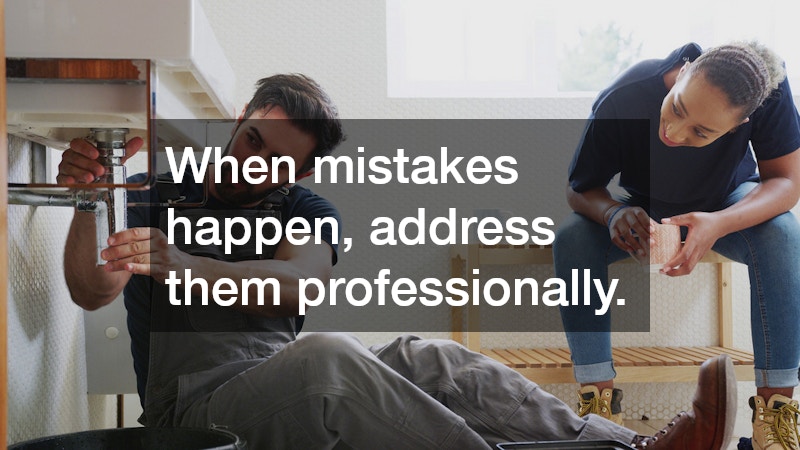
When mistakes happen, address them professionally. A reasonable solution can preserve a customer relationship and prevent a small concern from damaging your reputation.
Starting a plumbing company on your own requires technical ability, financial planning, organization, and persistence. By meeting local requirements, controlling expenses, marketing consistently, and providing dependable service, you can build a plumbing business that grows steadily and supports your long-term goals.