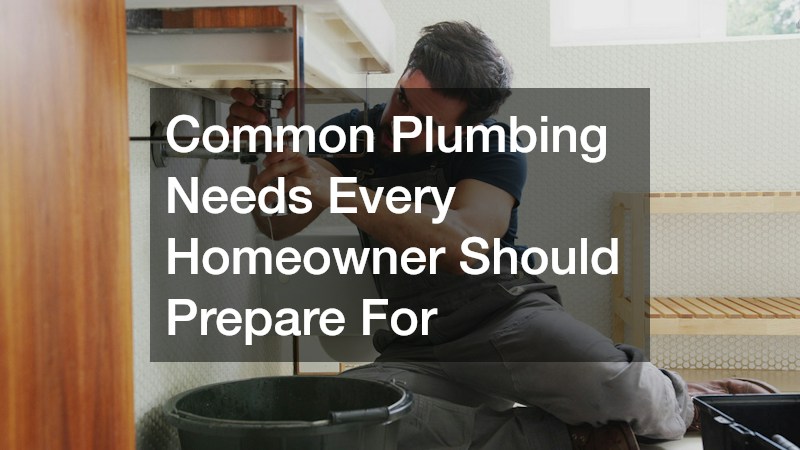
Common Plumbing Needs Every Homeowner Should Prepare For
Plumbing systems are one of the most important parts of any home, yet they are often taken for granted until something goes wrong. From delivering clean water to safely removing waste, your plumbing works behind the scenes every day. Over time, wear and tear, environmental factors, and normal usage can lead to issues that require attention.
Many homeowners wait until a problem becomes urgent before calling for help. While that approach is common, it often leads to higher costs, more damage, and unnecessary stress. A better strategy is to understand the types of plumbing services you may need in advance and to take a proactive approach to maintenance and repairs.
Essential plumbing services that homeowners are likely to need at some point. By understanding what each service involves and when to use it, you can protect your home, avoid costly emergencies, and keep your plumbing system running efficiently for years to come.
Start with a Reliable Go-To Professional for Everyday Needs

Having a trusted professional is one of the most valuable resources a homeowner can have. Whether it’s for routine maintenance, emergency repairs, or renovations, knowing you have someone reliable to turn to can make all the difference. A skilled professional not only brings expertise to the table but also provides peace of mind, allowing homeowners to focus on other aspects of their lives without the constant worry about home-related issues. Additionally, a good relationship with a trusted professional can lead to better communication, a better understanding of your specific needs, and, often, cost savings through preventive measures. Building rapport with someone who understands your home can transform your approach to homeownership, making it a more enjoyable and less stressful experience.
Build a Relationship Before Problems Happen
Waiting until something breaks to find help can lead to rushed decisions and limited options. Instead, it’s better to establish a relationship with a local plumber before issues arise.
Benefits of planning ahead include:
- Faster response times
- Familiarity with your home’s system
- Greater confidence in the quality of work
Know What to Look for in a Quality Provider
Not all plumbing companies offer the same level of service. Choosing the right provider requires careful consideration.
Look for:
- Proper licensing and insurance
- Strong customer reviews
- Clear communication and pricing
Taking the time to vet providers ensures you have someone reliable when you need them most.
Use Routine Service Calls to Prevent Bigger Issues
Regular maintenance can catch small problems before they escalate. Scheduling periodic inspections helps identify wear and potential risks early.
Simple preventative steps include:
- Checking for leaks
- Inspecting fixtures and connections
- Addressing minor repairs promptly
Be Prepared for Urgent Situations That Require Immediate Action
Even with proper maintenance, emergencies can still happen. It’s essential to be prepared for unexpected situations, whether it’s a sudden appliance failure, a plumbing issue, or an unexpected natural event. Having a plan in place, along with necessary supplies and contact information for service professionals, can make all the difference in how swiftly and effectively you respond. Regular inspections and maintenance can significantly reduce the likelihood of problems, but being equipped to handle emergencies ensures peace of mind and safety for you and your family. Staying informed and proactive is key to managing the unexpected.
Recognize What Qualifies as a Plumbing Emergency
Some issues require immediate attention to prevent serious damage. These include:
- Burst pipes
- Severe leaks
- Sewer backups
Knowing when to act quickly can save time and money.
Create a Plan Before You Need It
Preparation makes emergencies less stressful. Keep emergency plumber contact information readily available and ensure everyone in your household knows how to shut off the main water supply.
Minimize Damage While Waiting for Help
While waiting for assistance, you can take steps to reduce damage:
- Turn off the water supply
- Remove valuable items from affected areas
- Use towels or buckets to contain leaks
Being prepared helps you respond effectively in high-pressure situations.
Maintain and Upgrade Your Water Heating System
Hot water is essential for daily comfort, making your water heater a critical component. It plays a vital role in our everyday routines, from taking warm showers and washing dishes to doing laundry and cooking. A reliable water heater not only enhances our quality of life but also supports proper hygiene and sanitation by ensuring we can easily access hot water when needed.
Investing in a good water heater can lead to long-term savings as well. Modern, energy-efficient models can help reduce utility bills by using less energy to heat water. Regular maintenance is also key: checking for leaks, flushing the tank, and inspecting the heating elements can extend your water heater’s lifespan and prevent costly repairs down the line. Understanding the type of water heater that best fits your household needs—whether it’s a tankless, traditional, or heat pump model—can significantly enhance your home’s comfort and efficiency. Ultimately, a well-functioning water heater is not just a luxury; it’s a necessity for a comfortable and convenient lifestyle.
Know the Signs Your System Needs Replacement
Water heaters don’t last forever. Common signs of trouble include:
- Inconsistent water temperature
- Unusual noises
- Increased energy bills
Choose the Right System for Your Home
When it’s time for water heater installation, selecting the right system is key. Factors to consider include household size, energy efficiency, and available space. It’s important to assess the number of people in your home, as this will determine the capacity you need to ensure a consistent hot-water supply. Additionally, looking into energy efficiency ratings can help you save on utility bills in the long run and reduce your environmental impact. Make sure to evaluate the available space in your home for the installation to ensure that the chosen system fits seamlessly into your setup without compromising functionality.
Plan for Installation
Waiting for a complete failure can lead to rushed decisions. Planning allows you to choose the best system and schedule installation at a convenient time.
Keep Your Drain and Sewer Lines Flowing Properly
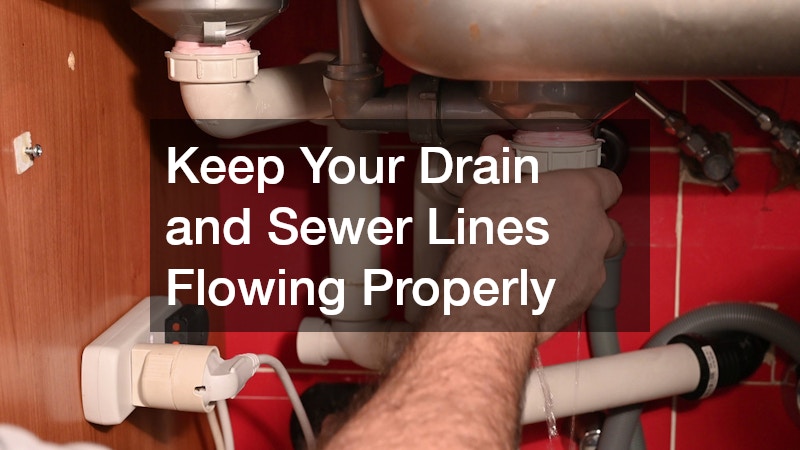
Clogged or damaged sewer lines can disrupt your entire plumbing system.
Identify Early Warning Signs of Blockages
Pay attention to slow-draining sinks or tubs, as they can signal a blockage forming in your plumbing system. Unpleasant odors around the kitchen or bathroom could indicate stagnant water or clogs that need to be addressed. Additionally, gurgling sounds in the pipes often indicate trapped air or a serious issue in the drainage system. These signs often indicate a developing problem, so it’s crucial to act before the situation worsens. Regular maintenance and inspection can help prevent these issues from escalating.
Use the Right Method for Clearing Lines
Different problems require different solutions. A sewer rodding service can effectively clear minor blockages, while hydrojetting is ideal for more stubborn buildup.
Prevent Future Buildup
Preventative measures go a long way:
- Avoid flushing non-degradable items
- Limit grease disposal in drains
- Schedule periodic cleanings
Address Water Supply and Well System Needs
Homes that rely on wells or pumps require specialized care. It’s essential to regularly check the system for signs of wear and tear, as it can be more vulnerable to issues such as sediment buildup, pump failure, or contamination. Homeowners should schedule routine maintenance, including checking water quality, inspecting the pump and pressure tank, and ensuring the well is properly sealed to prevent contaminants from entering.
Additionally, investing in water-testing kits can help track water quality over time, alerting homeowners to potential problems such as elevated levels of bacteria or chemicals. It’s also important to be aware of local regulations regarding well maintenance and water usage, which can vary significantly by region.
Educating yourself about the specific needs of your well system can not only prolong its life but also ensure that you and your family have access to safe, clean water year-round. Having a backup generator for the pump can also be a wise investment, as power outages can leave homes without water. Overall, proactive management and regular assessments will help maintain a reliable water supply for years to come.
Understand How Your Water Supply System Works
Knowing whether your home uses municipal water or a private well helps you understand your homeowner responsibilities.
Maintain Pump Performance for Consistent Water Flow
Issues with water pressure or flow may indicate the need for local water pump services. Regular maintenance ensures reliable performance.
Plan for Long-Term Water Access Solutions
In some cases, deep water well drilling may be necessary to secure a dependable water source. This is especially important in areas with changing water levels.
Protect Your Home from Water Damage and Flooding
Water damage can be one of the most costly issues homeowners face.
Identify Risk Factors for Basement Moisture
Common causes include:
- Poor drainage
- Foundation cracks
- Heavy rainfall
Invest in Preventive Solutions
Working with basement waterproofing companies can help protect your home. Solutions may include:
- Sealing foundation cracks
- Installing drainage systems
- Adding sump pumps
Maintain Your System Over Time
Regular inspections and maintenance are crucial to ensuring that all protective measures in residential and commercial properties function optimally. Routine checks can identify potential issues before they escalate into more significant problems, saving both time and money in the long run. Regular maintenance not only preserves the integrity of the systems in place but also helps ensure compliance with safety regulations and standards. Additionally, maintaining regular inspections can prolong the lifespan of essential equipment and systems, thereby enhancing efficiency and reliability. Whether it’s plumbing, electrical systems, or HVAC equipment, a scheduled maintenance plan is an essential aspect of property management that cannot be overlooked.
Understand When Residential and Commercial Needs Overlap
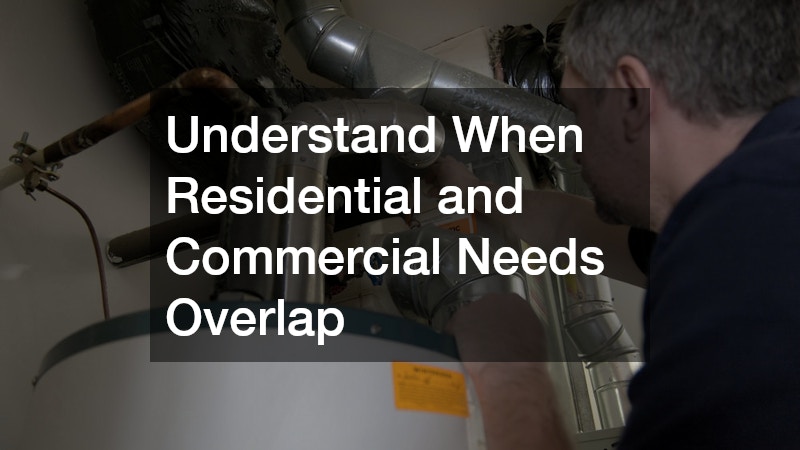
Recognizing the intersections between residential and commercial needs can significantly optimize resource utilization. In many cases, the same service providers can meet the demands of both sectors, particularly when residential properties are used for business operations, such as home offices or small shops. Understanding these overlaps can help homeowners and business owners effectively address their needs without redundancy. Such an approach can lead to cost savings by consolidating services and sharing expertise. An awareness of these overlaps encourages a more comprehensive view of maintenance and service requirements, ultimately improving service delivery and customer satisfaction.
Recognize Situations That Require Advanced Expertise
Certain situations clearly demand more specialized knowledge than standard residential services can provide. For instance, larger homes or multi-family properties often feature complex mechanical, electrical, and plumbing systems that require advanced training and expertise to manage effectively. In addition, commercial properties have unique codes, regulations, and operational requirements that differ from those in residential settings. Understanding when a situation exceeds typical needs helps property owners avoid subpar work and ensures qualified professionals handle systems. Proper identification of these circumstances can prevent costly mistakes and ensure that all work complies with local regulations and best practices.
Know When to Call Specialized Professionals
As properties grow in size and complexity, the need for specialized professionals becomes increasingly important. For example, if you own a multi-family building or run a business from your home, a local commercial plumber may be better equipped to handle plumbing systems that serve higher demand and more intricate layouts. Specialized professionals offer a depth of experience and knowledge that general service providers may not possess. They are familiar with the specific materials, tools, and techniques required for larger, more demanding projects. When property owners recognize the intricacies of their systems and when to reach out for expert help, they are more likely to achieve optimal results, reinforcing the importance of appropriate expertise in maintaining the integrity of their properties.
Plan for Future Expansion or Upgrades
If you plan to expand your home or add new features, it’s important to ensure your plumbing system can support those changes.
Ensuring Home Comfort: Proactive Plumbing Maintenance
Plumbing systems are essential to the comfort and functionality of any home, and their needs will evolve. By understanding the services available and taking a proactive approach, homeowners can avoid many common problems and reduce the risk of costly repairs.
From routine maintenance to specialized services, each aspect of your plumbing system plays a role in protecting your home. Building relationships with trusted professionals and staying informed about your system’s condition are key steps toward long-term reliability.
Taking action today can save time, money, and stress in the future, ensuring that your home remains safe, efficient, and comfortable for years to come.
